Understanding Wisdom Teeth Extraction And Why It Is Sometimes Necessary
Many people experience dental discomfort during their late teens or early adulthood when wisdom teeth begin to emerge. These third molars are the last teeth to develop and often appear between the ages of seventeen and twenty-five. In many cases, limited space in the jaw can cause these teeth to grow improperly, leading dentists to recommend Wisdom Teeth Extraction to protect overall oral health. Removing problematic wisdom teeth can prevent pain, infection, and damage to surrounding teeth.
Why Wisdom Teeth Often Cause Problems
Wisdom teeth developed in ancient human ancestors who required additional molars to chew tough foods such as roots and raw meat. Over time, the human jaw has evolved to become smaller, leaving insufficient space for these extra molars.
As a result, wisdom teeth may grow at unusual angles or remain partially trapped beneath the gums. This condition is known as impaction. Impacted wisdom teeth can push against neighbouring teeth, leading to crowding or misalignment.
In some situations, wisdom teeth may partially emerge through the gum. This creates small openings where bacteria can accumulate, increasing the risk of infection. Because these teeth are located at the very back of the mouth, cleaning them thoroughly can also be difficult.
Common Symptoms That Indicate Wisdom Teeth Issues
Not everyone experiences symptoms when wisdom teeth develop, but many individuals notice warning signs that indicate a potential problem. One of the most common symptoms is persistent pain or pressure at the back of the jaw.
Swelling or redness around the gums may also occur when wisdom teeth begin to erupt. Some people experience difficulty opening their mouths fully due to inflammation in the surrounding tissues.
Infections near impacted wisdom teeth can cause unpleasant taste, bad breath, and swelling in the jaw or cheeks. These symptoms indicate that bacteria may have accumulated around the partially erupted tooth.
Dentists typically use dental X-rays to evaluate the position of wisdom teeth and determine whether extraction is necessary.
How Wisdom Teeth Extraction Is Performed
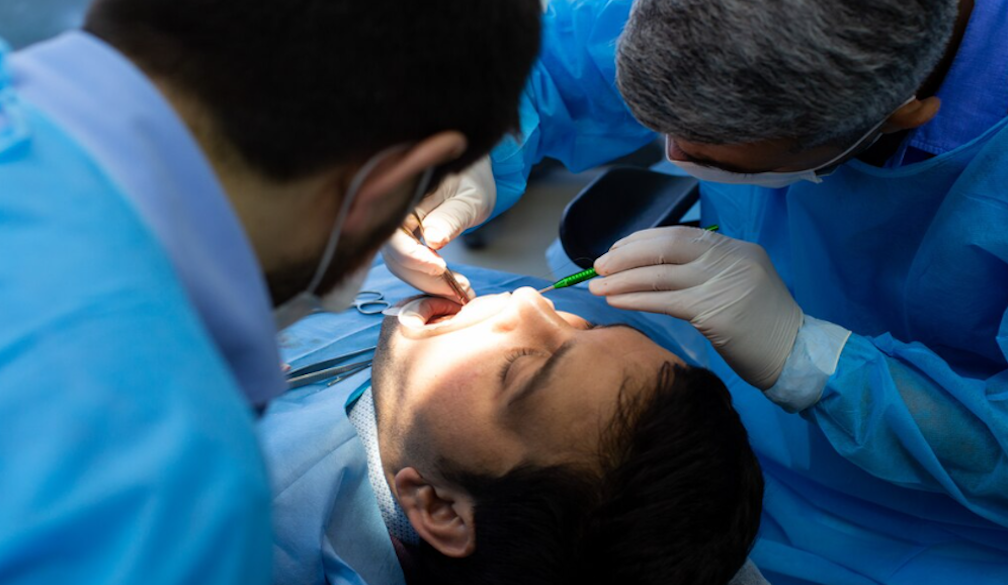
Wisdom teeth extraction is a routine dental procedure performed by experienced dentists or oral surgeons. The treatment begins with a thorough examination to assess the position of the teeth and surrounding structures.
Local anaesthesia is usually administered to numb the treatment area and ensure the patient remains comfortable throughout the procedure. In more complex cases, sedation options may be available to help patients relax.
The dentist carefully removes the wisdom tooth while protecting nearby teeth and tissues. In some cases, the tooth may be divided into smaller sections to make removal easier.
After the extraction, the dentist places gauze over the treatment area to control bleeding and support the initial healing process.
Recovery After Wisdom Teeth Removal
Recovery following wisdom teeth extraction generally takes several days. Patients may experience mild swelling, discomfort, or stiffness in the jaw during the first few days after the procedure.
Applying cold compresses to the outside of the cheek can help reduce swelling. Dentists may also recommend pain relief medications to manage temporary discomfort.
Soft foods are usually recommended during the early stages of recovery to avoid irritating the extraction site. Maintaining good oral hygiene while avoiding direct brushing near the treated area is also important.
Most patients notice significant improvement within a few days, and the gums gradually heal over the following weeks.
Potential Benefits Of Early Wisdom Teeth Removal
Dentists often recommend removing wisdom teeth before they cause serious complications. Early extraction can prevent a range of dental problems, including infections, cyst formation, and damage to nearby teeth.
Removing problematic wisdom teeth may also protect the alignment of other teeth. When wisdom teeth push against neighbouring molars, they can cause crowding that affects the overall structure of the smile.
Early intervention typically results in faster recovery because younger patients often heal more quickly than older individuals.
Preventing Future Oral Health Issues
Wisdom teeth extraction is sometimes recommended as a preventive measure even when symptoms are not yet present. Dentists may identify potential issues during routine examinations and advise removal before complications develop.
By removing impacted or poorly positioned wisdom teeth, patients can reduce the risk of infections and gum disease in the back of the mouth. Preventive extraction can also make oral hygiene easier by eliminating areas that are difficult to clean.
Maintaining Oral Health After Extraction
Following recovery, patients can continue maintaining healthy teeth and gums through regular dental checkups and consistent oral hygiene practices. Brushing twice daily and flossing regularly help prevent plaque buildup and protect remaining teeth.
Dentists may also monitor the healing process during follow-up visits to ensure that the extraction site is recovering properly.
By addressing wisdom teeth problems early, individuals can protect their oral health and avoid more complicated dental treatments in the future.